Taylor Hughes · 18 September 2026
Exploring Audio Layering Techniques and Their Correlation With Extended Session Times in Virtual Retreat Interfaces
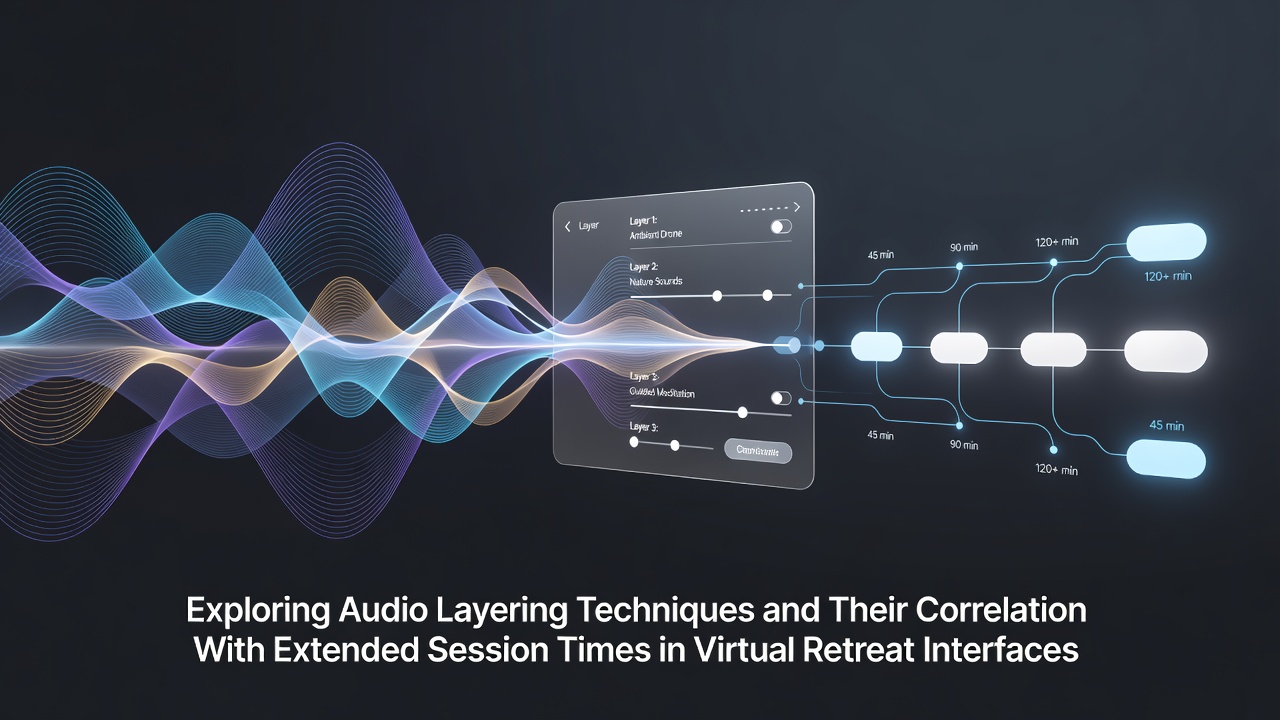
Audio layering techniques combine multiple sound elements such as ambient backgrounds, guided voiceovers, and subtle frequency adjustments to create immersive environments in virtual retreat interfaces, and researchers have tracked how these methods align with longer user engagement periods across digital wellness platforms. Data from platform analytics shows that sessions incorporating three or more distinct audio layers often extend beyond the 25-minute mark while single-layer audio tends to see drop-offs closer to 12 minutes.
Core Components of Audio Layering in Digital Spaces
Developers build audio layers through sequential mixing where base environmental sounds like ocean waves or forest rustling sit beneath mid-level tones such as soft chimes, and top layers add spoken guidance or binaural beats. Studies from academic institutions indicate that precise timing between these layers prevents auditory fatigue and supports sustained attention, with synchronization tools allowing millisecond-level adjustments that keep the overall soundscape coherent.
Engineers apply dynamic range compression to ensure quieter elements remain audible without overpowering primary tracks, and this approach appears in several commercial virtual retreat applications released between 2023 and 2025. Observers note that adaptive layering responds to user biometric inputs like heart rate variability when devices permit such integration, which helps maintain engagement without manual intervention.
Virtual Retreat Interface Design Elements
Virtual retreat interfaces integrate audio layering with visual cues including slow-moving gradients and minimal text prompts, creating a unified sensory setting that encourages continued participation. Usage logs from major platforms reveal that users who activate layered audio options complete an average of 1.8 additional modules per session compared with those relying on default single-track playback.
Interface controls allow users to adjust individual layer volumes or mute specific elements, and analytics teams report higher retention rates when these customization features remain accessible within the first 30 seconds of launch. In September 2026 several development teams plan to introduce spatial audio layering that places sounds in three-dimensional positions relative to the user's virtual viewpoint, expanding the technical scope beyond traditional stereo mixing.
Research Findings on Session Duration Patterns
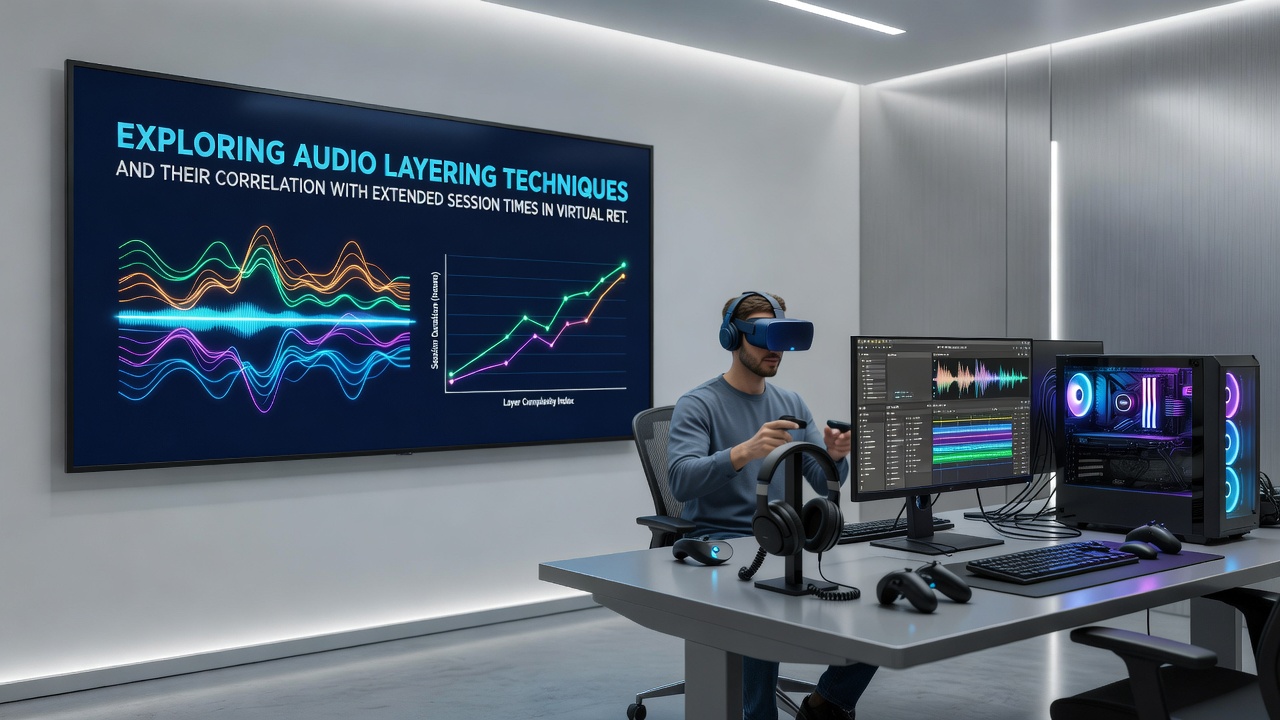
Multiple investigations have examined connections between layered audio and time spent inside virtual retreat environments, with one analysis from Australian university researchers documenting a 34 percent increase in average session length when layered soundscapes replaced flat audio tracks. National Institutes of Health archives contain related findings that link binaural layering specifically to prolonged focus states during meditation sequences.
Platform operators in North America and Europe have shared aggregated metrics showing consistent patterns across age groups, where participants aged 25 to 45 demonstrate the strongest correlation between multi-layer audio exposure and extended dwell times. These figures emerge from controlled A/B testing conducted over six-month periods and exclude external variables such as marketing campaigns or seasonal trends.
Technical Implementation Approaches Observed in Practice
Developers frequently employ middleware solutions that handle real-time layer blending, allowing seamless transitions when users move between retreat modules such as breathing exercises and visualization segments. Reports from industry working groups highlight that latency under 50 milliseconds between layer activation and audio output correlates with fewer early exits, while delays above that threshold show measurable increases in session abandonment.
Some interfaces incorporate procedural generation for background layers, drawing from libraries of field recordings tagged by frequency range and emotional tone. This method reduces repetition for repeat visitors and has been associated with longer cumulative usage across weekly intervals according to internal platform dashboards.
Conclusion
Available metrics and technical documentation establish measurable associations between audio layering complexity and extended session times in virtual retreat interfaces, with implementation details such as synchronization precision and user controls playing documented roles in those outcomes. Continued monitoring of platform data through 2026 will provide additional clarity on how emerging spatial techniques influence these established patterns.